Oil has been rising for the past 10 years as the world has come to the understanding that there is only a limited supply and national economies are tied to it. To many people the rise in oil price is a good bet because of its limited nature. It may be possible that oil will take a dive in price as it comes close to $100 per barrel as people begin to feel uneasy.
It is possible that people have made so much money on oil stock, futures, options and other investments that people or large investment houses may dump their investments and take the winnings. If this happens even a small decline could trigger and en masse exodus from the market forcing a quick downward trend on the price per barrel of oil causing the market to crash. A market crash could be as much as a 40% decline in the price per barrel.
There are a number of forces around the world that may make a dip in the market in the near future. The Middle East may become more stable in the near future as the ending to the Iraq war becomes more likely. Even though there is no guarantee that the country will become stable it is a possibility it may become this way as one side beats out the other. It isn’t likely to have an immediate affect.
Since companies have found the oil market to be so lucrative they have been scouring the world over for new deposits. In their interest they have been able to find these new deposits and in a couple of years will be able to tap them, which will put more money into the market. When this oil goes into the market the demand will decrease because world wide production has increased.
Since oil prices have been on the rise over the past decade countries have been investing in alternative fuel sources. For example, in the United States ethanol plants have been springing up all over the pace, cars are expected to increase efficiency and he government is trying to cut dependency on foreign oil. This will have a downward affect on the price of oil as the need for it decreases.
Many market analysts also believe the oil price of investments is also higher then its true costs. It is an overheated market that may be waiting for a crash. They believe that it won’t be long before people start taking their money out because they believe it can’t go much further. When people take out their money this is when big changes in the market are going to be seen.
$100 is a psychological barrier for most people. Oil prices have never been this high in history and most people simply can’t imagine a time when oil will be this high. Therefore, when the $100 threshold is met people may naturally become uneasy and begin to sell their oil shares which could free up the markets and temporarily reduce the costs.

O'NielPetroserve Site
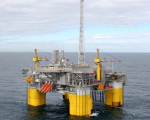 O'NielPetroserve is a leader in the of Nigerian Bonny Light Crude Oil (BLCO) sales market. As a privately held company, O'Neil Petroserve is committed to and is focused on delivering reliable services to all her clients. O'NielPetroserve is determined to continue to grow in the energy sector and to become one of the recognized leaders in the Nigerian oil and gas industry.
Simplifying Nigerian Bonny Light Crude Oil Buying, BLCO With O'Niel Petroserve
 O'Neil Petroserve has an excellent track record of reliability in the supply of Bonny light crude oil, BLCO. We protect our buyers with 2% Performance Bond while we also expect protection from our customers with bank instrument from the world's top banks. We deliver on TTO, TTT, CIF and FOB basis.
If you wish to purchase Bonny Light Crude Oil from a reliable seller, contact us and we commence the buyer friendly procedure to enable this.

Showing posts with label Oil Market. Show all posts
Showing posts with label Oil Market. Show all posts
Wednesday, 19 March 2014

The Roller Coaster Oil Market
There is a public mythology concerning the oil markets that has been fueled by a sharp rise in oil prices in the last few years. That perception is that the oil companies whose job it is to acquire the raw materials to make petroleum products, including gasoline for transportation, are the source of the rising prices. It is easy for the public to pin the blame on big business.
The truth is that those on the inside of the oil business know full well that the oil business is tremendously cyclical. That means that the old adage, "whatever goes up must come down" definitely applies to the oil markets domestically and around the world. The current high prices are more a reflection of problems with refineries and with supply due to tension in the Middle East than it does with the profit objectives of the oil companies involved. In truth, oil companies have to cope with sweeping shifts in supply and demand and it impacts how they plan their economic futures as much or more than it affects the average consumer.
This upswing in the price of gas is not the first time the oil business has seen huge profits and gains in their returns. And anyone who has been in the oil business for a few decades knows full well that the current high profitability economy which is benefiting oil companies tremendously will turn the other direction at some point. Just as there is a shortage due to problems with repairs or temporary shut downs at the nation’s refineries, there will come a time when all refineries are producing at full capacity and there will be a glut on the market which will drive prices down.
Similarly just as oil shortages dominate the market and are on the minds of consumers because of Middle East tension, oil supplies can shift dramatically. A new discovery in Asia, The Soviet Union, Europe, South America or off shore in America can suddenly send a glut of supply into the market that will send the price of crude oil plummeting and with it, gas prices worldwide.
This is not just pie in the sky forecasting but an industry trend in the oil business that is supported by years of experience, research and tracking by the businesses most impacted by sudden supply and demand turns in the markets, those big oil companies. The oil business is so used to the roller coaster nature of the market that even though the market is good now for the oil companies, they are already preparing for the next downturn and how they will survive when supply exceeds demand and prices drop leaving them with big adjustments to make in how they do business.
As with any smart manager of a business or investor for that matter, diversification is the way to prepare a strategy for handling volatile markets like we see in the oil business. And that has been a cornerstone of the strategies that have kept the oil companies able to ride the ups and downs their industry undergoes on these huge swings in supply, demand and profitability. While the oil industry is enjoying unprecedented prosperity now, there is coming a time when they will see their profits drop and they will have to brace for a downturn of unknown length and survive it until the next swing of the pendulum back out.
Even now, you can bet that every big oil company in the world is already investing heavily in diversified business interests that can generate revenue to keep the company afloat when oil revenues are not as lucrative as they are now. Those investments will be in real estate, the stock market and even in far flung unrelated industries such as retail or the entertainment industry. The more diversified a company can get, the more prepared they are to ride out the roller coaster oil market.
And this shrewd business practice is a good signal to those who are investors in the oil industry as well. Just as the companies who are fattening up our portfolios now are strong investments, we should know that the downturn is coming and diversify while times are good. Then we can ride out the next oil slump just as handily as the companies that live or die by the oil markets do year in and year out.
Subscribe to:
Posts
(
Atom
)

 |
 |
 |
 |
 |
 |
